


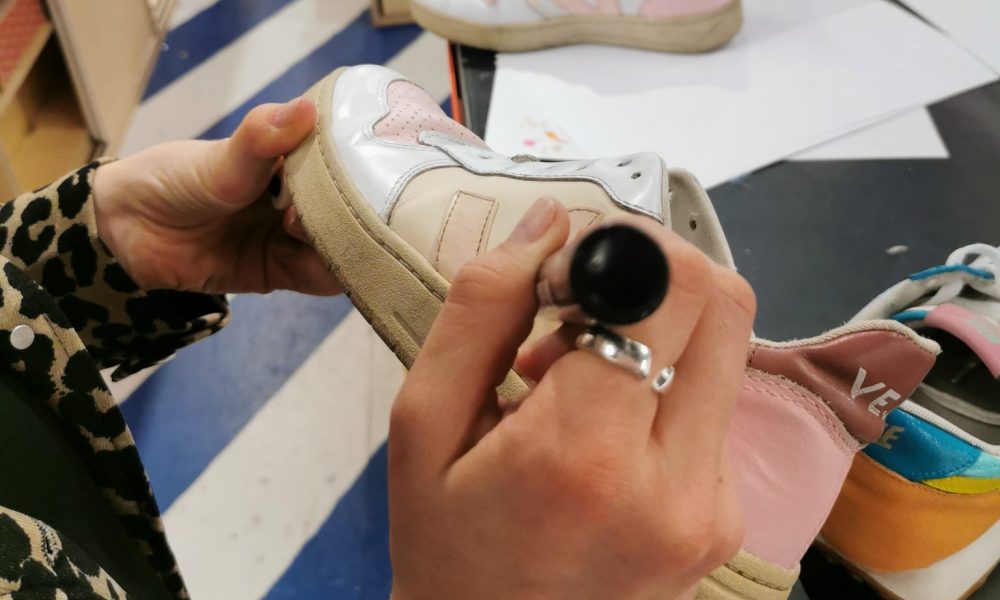
The fashion industry is undergoing a major transformation, shifting towards more sustainable practices in response to growing environmental concerns. Among these innovations, zero-waste fashion production models have emerged as a pivotal strategy, redefining how garments are designed, produced, and consumed. In this article, we’ll explore the creative, technological, and business aspects of zero-waste fashion, and how it is reshaping the future of style.
What Is Zero-Waste Fashion?
Zero-waste fashion refers to the practice of designing and producing clothing with the goal of eliminating waste from the production process entirely. Let’s break down the key concepts:
Key Elements of Zero-Waste Design
- Maximizing Fabric Use: Every piece of fabric is carefully considered to ensure zero waste in cutting patterns.
- Creative Pattern Design: Designers use intricate patterns that align perfectly with fabric shapes, reducing unused material.
- Minimal Scrap Production: By using modular and versatile patterns, zero-waste fashion minimizes fabric scraps.
Why Zero-Waste Fashion Matters
- Environmental Impact: Fashion is one of the leading contributors to waste, with millions of tons of textile waste generated annually. Zero-waste production reduces environmental harm.
- Consumer Demand for Sustainability: As more consumers turn toward eco-friendly products, zero-waste fashion becomes an essential selling point for modern brands.
How Zero-Waste Fashion Works: The Mechanics Behind the Innovation
The zero-waste approach goes beyond the design. The entire process from concept to production follows a meticulous methodology.
Revolutionizing Garment Production
- Smart Cutting Techniques: Advanced tools like automated cutting machines and laser cutters optimize the use of fabric.
- Utilizing Every Square Inch: Designers and manufacturers use techniques like garment patchwork to ensure that every part of the fabric is incorporated into the final product.
Incorporating Traditional Craftsmanship
- Sewing and Textile Techniques: Traditional craftsmanship, like Japanese kintsugi (repairing with gold) and quilting, is integrated into zero-waste designs, making each piece unique.
- Cultural Inspirations: Zero-waste design sometimes draws from age-old cultural practices, which were born out of necessity but are now revered for their sustainability.
Technological Innovations Paving the Way for Zero-Waste Fashion
Technology is the backbone of the modern zero-waste fashion movement, enabling designers and manufacturers to create fashion in innovative ways.
The Role of Design Software
- Precise Pattern Making: Advanced design software allows for the creation of optimized patterns that use 100% of the fabric. Programs such as CLO 3D and Gerber AccuMark help designers visualize and modify patterns.
- Simulation and Testing: Virtual fabric testing enables designers to adjust patterns in real time, reducing waste and improving efficiency.
Automation in Production
- Robotic Cutting: Machines like robotic cutters ensure precise cuts, reducing fabric waste and labor costs.
- Faster Production: Automation speeds up the production process while maintaining sustainability.
3D Printing: The Future of Fashion
- Zero-Waste Manufacturing: 3D printing produces garments layer by layer, ensuring no waste and allowing for fully customizable designs.
- On-Demand Fashion: This technology supports the trend of on-demand manufacturing, meaning clothes are produced only when ordered, reducing overproduction and waste.
Creative Vision in Zero-Waste Fashion: How Designers Push the Envelope
Zero-waste fashion is as much about creativity as it is about sustainability. Designers must think outside the box, creating garments that are both innovative and stylish.
Reinventing the Fashion Aesthetic
- Minimalist Designs: Zero-waste fashion often emphasizes simple, sleek, and timeless designs that require fewer fabric cuts.
- Modular Clothing: Many zero-waste collections feature modular, adaptable garments that can be transformed into different looks with minimal alterations.
Incorporating Upcycling and Recycling
- Upcycling Materials: Designers incorporate discarded textiles, garments, and even post-consumer waste into their collections, giving new life to unwanted materials.
- Recycled Fabrics: By using fabrics made from recycled materials, zero-waste designers help close the loop in the fashion industry.
Business Models and Challenges in Zero-Waste Fashion
Transitioning to zero-waste production presents unique business challenges, but the rewards are worth it for both the environment and the industry.
Balancing Cost and Sustainability
- Higher Production Costs: Zero-waste fashion often requires investment in specialized tools and time-consuming processes, making it more expensive than traditional manufacturing.
- Potential for Long-Term Savings: Over time, waste reduction can lead to cost savings, particularly as demand for sustainable products rises and technology improves.
Scaling Zero-Waste Practices
- Small Brands Leading the Way: Many independent designers and small brands are at the forefront of zero-waste fashion, proving that sustainability can be both innovative and profitable.
- Large Brands’ Adoption: Big fashion houses are starting to incorporate zero-waste practices into their production lines, signaling that sustainability is becoming mainstream.
Consumer Education
- Raising Awareness: Many consumers are not yet aware of the environmental impacts of their clothing choices. Educating the public on the importance of zero-waste fashion is crucial for the movement’s growth.
- Transparency in Production: Brands that adopt zero-waste practices need to provide transparency about their sourcing, manufacturing, and recycling processes to build trust with consumers.
The Future of Zero-Waste Fashion: What’s Next?
As the zero-waste fashion movement grows, the future looks promising, with new technologies and consumer shifts paving the way for broader adoption.
Innovative Materials on the Horizon
- Lab-Grown Fabrics: New developments in bio-fabrication, such as lab-grown leather and organic cotton, could significantly reduce the environmental footprint of fashion production.
- Natural Dyes: Advances in plant-based and organic dyes can complement the zero-waste ethos, minimizing chemical waste and water consumption.
The Role of Circular Fashion
- Closed-Loop Systems: The future of zero-waste fashion will rely on the adoption of circular fashion models, where garments are fully recyclable, and production waste is repurposed.
- Repair and Reuse: Encouraging consumers to repair, recycle, and reuse their garments will further drive down waste.
Case Studies: Brands Leading the Zero-Waste Revolution
To illustrate the practical application of zero-waste fashion, let’s look at some brands and designers leading the charge.
Stella McCartney: A Pioneer in Sustainable Fashion
- Brand Vision: Known for championing sustainability, Stella McCartney’s collections feature eco-friendly materials, upcycled fabrics, and zero-waste design techniques.
- Collaborations for Change: McCartney has collaborated with leading organizations to promote circular fashion and reduce textile waste across the industry.
Zero Waste Daniel: Leading by Example
- Innovative Designs: Designer Daniel Silverstein’s brand, Zero Waste Daniel, focuses exclusively on creating high-fashion garments from repurposed fabrics, ensuring no waste is generated.
- Advocacy for Sustainability: Through workshops and collaborations, Zero Waste Daniel is educating consumers and fellow designers on sustainable production methods.
How You Can Contribute to the Zero-Waste Fashion Movement
While brands and designers are leading the way, consumers also play a key role in fostering the growth of zero-waste fashion.
Opt for Sustainable Brands
- Make Informed Purchases: Choose brands that prioritize sustainability in their production processes, from material sourcing to garment creation.
- Invest in Quality: Buying fewer, higher-quality items that will last longer helps reduce waste in the long run.
Embrace the Upcycling Trend
- DIY Fashion: Repair, upcycle, and repurpose old clothing to give it a second life. DIY fashion is a fun and sustainable way to participate in the zero-waste movement.
- Donate and Swap: Participate in clothing swaps or donate unwanted garments instead of discarding them.
Support Innovation
- Engage with Innovative Brands: Support companies and designers pushing the boundaries of sustainable fashion, and promote their efforts on social media.
Conclusion: A Fashion Revolution
Zero-waste fashion is not just a passing trend—it’s a revolution that is reshaping the future of the fashion industry. With the right combination of creativity, technology, and consumer demand, we can build a sustainable future for fashion that respects both the environment and our need for style. By supporting zero-waste brands and adopting more sustainable practices, we can all be part of this exciting change.
