


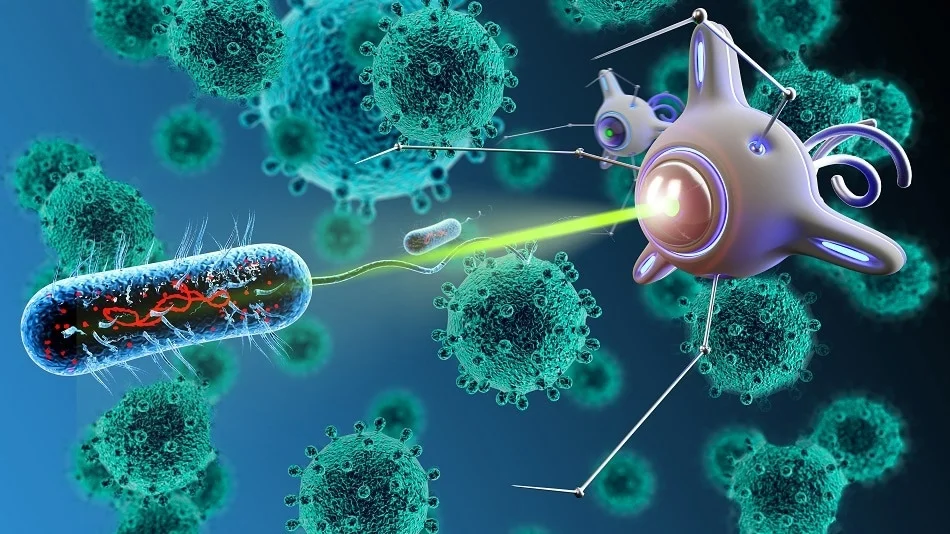
Introduction to Nanomedicine
Nanomedicine, a rapidly advancing field that merges nanotechnology with medical science, holds the potential to revolutionize human health. By manipulating materials at the nanoscale, scientists can develop innovative diagnostic tools, treatments, and preventive measures for a wide range of diseases. The profound impact of nanomedicine on human health is particularly promising, offering potential solutions for some of the most challenging medical issues.
What is Nanomedicine?
Definition and Scope
Nanomedicine involves the use of nanoparticles and nanodevices in the diagnosis, treatment, and prevention of diseases. These particles are typically between 1 and 100 nanometers in size, allowing them to interact with biological systems at the molecular level. This field encompasses drug delivery systems, diagnostic imaging, regenerative medicine, and more.
History and Development
The concept of nanomedicine has existed for decades, but significant advancements have been made in the last twenty years. The development of sophisticated nanomaterials and a better understanding of their interactions with biological systems have driven this progress. Early research focused on the potential of nanoparticles to deliver drugs more effectively, but the scope has since expanded to include various therapeutic and diagnostic applications.
Advantages of Nanomedicine
Targeted Drug Delivery
One of the primary advantages of nanomedicine is the ability to deliver drugs directly to diseased cells, minimizing damage to healthy tissues. This targeted approach improves the efficacy of treatments and reduces side effects. For example, nanomedicine can enhance the delivery of chemotherapy drugs to cancer cells, increasing their concentration at the tumor site while sparing healthy cells.
Early Detection and Diagnosis
Nanomedicine offers advanced diagnostic tools that can detect diseases at an early stage, empowering individuals to take proactive steps for their health. Nanoparticles can be engineered to bind to specific biomarkers associated with diseases, allowing for early and accurate detection. This capability is crucial for diseases like cancer, where early diagnosis significantly improves treatment outcomes.
Regenerative Medicine
Nanotechnology plays a vital role in regenerative medicine by providing scaffolds supporting stem cell growth and differentiation. These scaffolds can mimic the natural extracellular matrix, promoting tissue regeneration and healing. This application is particularly promising for treating injuries and degenerative diseases.
Applications of Nanomedicine
Cancer Treatment
Nanomedicine has shown great promise in the fight against cancer. Nanoparticles can deliver chemotherapeutic agents directly to tumor cells, increasing their effectiveness and reducing side effects. Additionally, nanoparticles can be designed to produce heat when exposed to certain wavelengths of light, a technique known as photothermal therapy, which can destroy cancer cells.
Cardiovascular Diseases
Nanomedicine offers innovative solutions for cardiovascular diseases. For instance, nanoparticles can deliver drugs to specific areas of the cardiovascular system, such as blocked arteries, to improve treatment outcomes. Nanotechnology is also used to develop stents and other medical devices that can monitor and treat heart conditions more effectively.
Infectious Diseases
Nanomedicine is being explored for the treatment and prevention of infectious diseases. Nanoparticles can enhance the delivery of antimicrobial agents, making them more effective against resistant strains of bacteria. Additionally, nanotechnology is being used to develop more efficient vaccines and diagnostic tools for infectious diseases.
Challenges and Future Prospects
Safety and Toxicity
One of the significant challenges in nanomedicine is ensuring the safety and biocompatibility of nanoparticles. While they offer many benefits, nanoparticles can potentially interact with biological systems in unpredictable ways, leading to toxicity. Rigorous testing and regulatory frameworks are needed to address these concerns.
Regulatory and Ethical Considerations
The development and deployment of nanomedicine require careful consideration of regulatory and ethical issues. Ensuring that nanoparticles are safe and effective for medical use is paramount. Additionally, the ethical implications of manipulating materials at the nanoscale must be carefully evaluated.
Future Directions
The future of nanomedicine is bright, with ongoing research aimed at overcoming current limitations and expanding its applications. Advances in nanotechnology, combined with a better understanding of biological systems, will continue to drive the development of new and improved nanomedicine solutions. Personalized medicine, where treatments are tailored to an individual’s unique biological makeup, is a particularly exciting area of future research.
Conclusion
Nanomedicine holds immense potential to revolutionize human health by providing innovative solutions for diagnosis, treatment, and prevention of diseases. From targeted drug delivery and early detection to regenerative medicine and beyond, the applications of nanomedicine are vast and varied. Despite the challenges, the continued advancement of this field promises to bring significant improvements in healthcare, making it an essential area of focus for researchers and medical professionals alike. The integration of nanomedicine into mainstream healthcare can lead to more effective treatments, better patient outcomes, and a brighter future for global health.
