


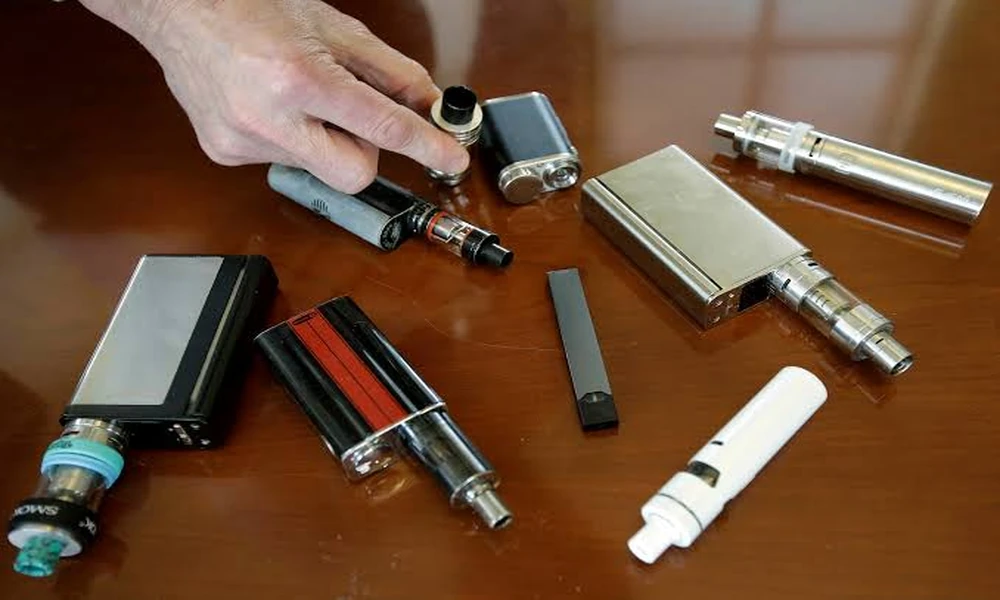
Flavour starts inside the atomiser, the small part where oil meets heat for the first time. Every design choice made here changes how much taste survives the trip from liquid to vapour. Lists of the best thca carts rarely separate taste from atomiser build because the two always work together. An extract full of rich flavour can still arrive weak or changed when the atomiser runs too hot or too cold, so makers treat this part as the real starting point of taste, not a small detail.
Wick saturation dynamics
Oil must reach the heating surface in the right amount for the flavour to stay clean. When too little oil arrives, dry spots form and create a burnt taste that covers everything else. When too much arrives, extra oil floods the chamber and hides the lighter notes under heavy vapour.
Oil flow depends mostly upon the size of the small intake holes in the atomiser body. Wide holes suit thick extracts that move slowly. Narrow holes slow down thin oils and stop flooding. Room temperature changes this balance every day, since oil gets thinner in warm air and thicker in cold air. Makers who match hole size against oil thickness keep the flow steady, and that steady flow shows up directly as consistent taste from the first pull onward.
Terpene heat sensitivity
Each flavour compound turns into vapour within its own temperature point, and the atomiser behaviour decides which ones survive.
- Low range compounds
Light citrus and flower notes release early and break down first when the heat climbs too high. Atomisers that hold steady low heat protect these delicate flavours the longest.
- High range compounds
Earthy and spice notes need more warmth before releasing fully. Designs that heat too gently leave these hidden, giving flat draws even when good oil sits inside.
Balanced atomisers stay inside a range that reaches both groups, letting full flavour come through instead of only part of it.
Surface material influence
Contact material changes taste in ways many users never connect back to hardware. Ceramic stays mostly neutral and passes flavour through without adding anything of its own. Metal contact points can add a faint metallic note during long sessions, especially once coatings start wearing thin.
Old residue matters as much over time. Rough, porous surfaces hold traces of earlier oil, letting old flavour mix into fresh draws. Smoother materials clear residue better between sessions, keeping each pull closer to the true taste of the extract. Build quality controls how fast these differences appear across weeks of use.
Vapour cooling distance
The space between the heating surface and the mouthpiece gives the vapour time to settle before arrival. Hot vapour carries a strong flavour but can sting the mouth, hiding softer notes behind heat. Cooler vapour feels rounder and lets each note stand out more clearly.
Short chambers favour strength, while taller builds favour clarity. Neither choice wins outright, so makers set this distance around the oil styles their hardware carries most often.
Atomiser engineering decides how truly an extract can speak for itself. When this single part does its job well, quality oil arrives exactly as the maker intended, pull after pull.
