


Pushing Boundaries While Preserving Nature
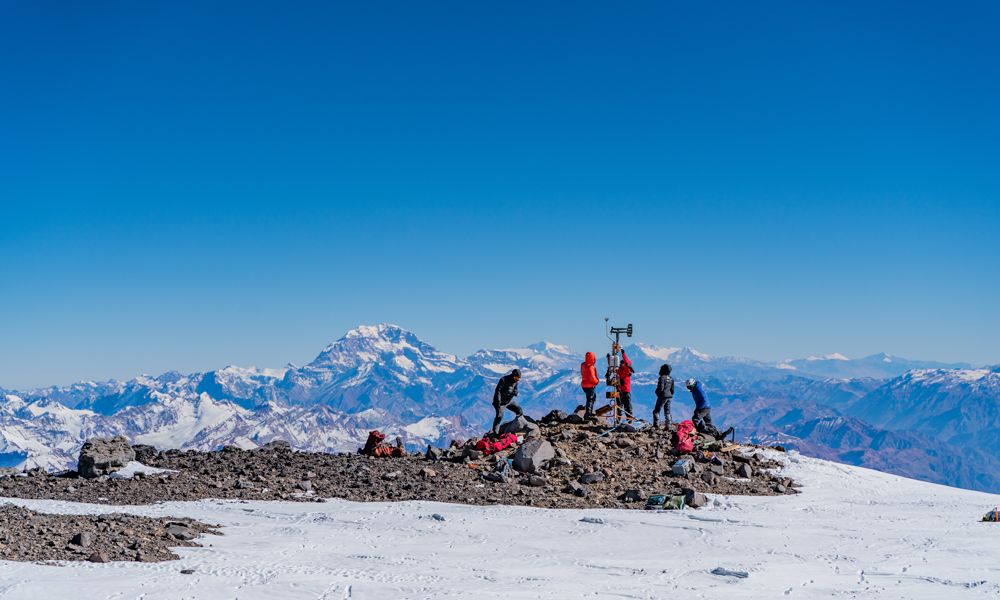
Extreme climate expeditions push the limits of human endurance, but in the age of environmental consciousness, they must also push the boundaries of ethical responsibility. Whether trekking across polar ice caps, traversing scorching deserts, or scaling towering peaks, responsible exploration ensures that these fragile ecosystems remain untouched for future generations.
Understanding the Challenges of Extreme Climate Expeditions
Facing Earth’s Most Hostile Environments
Unpredictable Weather Conditions
- Sub-zero temperatures in polar regions that can drop to -50°C.
- Blistering heat in deserts exceeding 50°C during peak hours.
- Sudden storms and extreme winds causing life-threatening situations.
- Navigational challenges due to whiteouts, sandstorms, and altitude sickness.
Isolation and Resource Scarcity
- No access to modern infrastructure, requiring complete self-sufficiency.
- Emergency response times can stretch to days or weeks.
- Dependence on limited supplies of food, water, and fuel.
Technical and Logistical Challenges
- Navigating glaciers, crevasses, and shifting ice flows.
- Specialized gear for extreme cold, heat, and high-altitude conditions.
- Logistics of transporting eco-friendly equipment to remote locations.
Ethical Considerations in Climate Expeditions
Balancing Adventure with Responsibility
Minimizing Environmental Impact
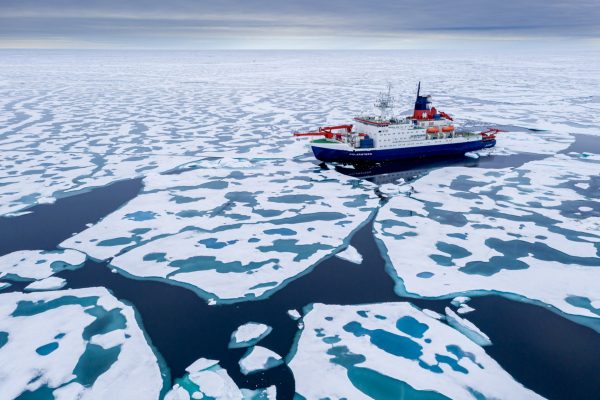
- Strict adherence to Leave No Trace principles.
- Using eco-friendly transportation like solar-powered sleds and low-emission vehicles.
- Responsible waste management, ensuring no plastics or harmful materials are left behind.
Respecting Indigenous Communities
- Collaborating with local guides to gain insight into traditional survival methods.
- Acknowledging sacred lands and seeking permission before exploration.
- Supporting local economies by sourcing supplies ethically.
Wildlife Protection Measures
- Observing animals from a distance to avoid disruption to their habitats.
- Avoiding feeding or interacting with wildlife to maintain their natural behaviors.
- Adhering to conservation guidelines set by environmental agencies.
Exploring Earth’s Extremes: Ethical Approaches by Region
Polar Regions: Ethical Travel in Icy Wilderness
Preserving the Arctic and Antarctic
- Avoiding ice-breaking routes that disrupt marine life.
- Choosing sustainable travel operators committed to carbon neutrality.
- Documenting changes to ice caps for scientific research rather than recreational purposes.
Best Practices for Polar Exploration
- Packing lightweight, eco-friendly gear to reduce fuel consumption.
- Respecting the habitats of polar bears, penguins, and seals.
- Educating fellow travelers on the fragile ecosystem and their role in its protection.
Deserts: Sustainable Expeditions in Arid Landscapes
Protecting Delicate Desert Ecosystems
- Using established trails to avoid soil erosion and habitat destruction.
- Carrying biodegradable water containers and reusable equipment.
- Monitoring water usage to prevent unnecessary depletion of local resources.
Ethical Engagement with Nomadic Communities
- Learning about the traditions of desert dwellers and respecting their wisdom.
- Supporting ethical camel trekking services rather than exploitative tourism.
- Avoiding culturally sensitive areas and sacred sites without consent.
High-Altitude Exploration: Climbing with a Conscience
Preserving Mountain Environments
- Packing out all waste, including food scraps and biodegradable items.
- Choosing energy-efficient cookstoves to minimize fuel dependency.
- Sticking to marked trails to prevent trampling on delicate alpine flora.
Ethical Summit Attempts
- Hiring certified local guides who prioritize safety and sustainability.
- Avoiding high-traffic seasons to reduce the strain on fragile mountain environments.
- Ensuring that team members are educated on responsible mountaineering ethics.
Technology and Innovation for Sustainable Exploration
Green Gear and Equipment
Eco-Friendly Clothing and Materials
- Thermal gear made from recycled materials.
- Solar-powered gadgets and rechargeable battery packs.
- Lightweight, biodegradable tents and sleeping bags.
Sustainable Food and Hydration
- Freeze-dried meals with compostable packaging.
- Portable water purifiers to eliminate plastic waste.
- Ethically sourced energy snacks that support local farmers.
Transportation Solutions for Low-Impact Travel
Reducing Carbon Footprints
- Opting for electric snowmobiles in polar regions.
- Using biofuel or solar-powered vehicles for desert exploration.
- Encouraging expedition participants to offset their carbon emissions.
Remote Monitoring and Data Collection
- Using satellite imaging to track environmental changes without disturbing ecosystems.
- Deploying drones for exploration instead of human intrusion.
- Partnering with scientific organizations for data-sharing initiatives.
Challenges and Solutions for Ethical Expeditions
Balancing Exploration with Conservation
Common Challenges Faced
- Finding sponsors committed to ethical standards.
- Limited access to sustainable supplies in remote areas.
- Managing human waste in isolated regions.
Innovative Solutions
- Partnering with eco-conscious brands for sponsorships.
- Pre-planned waste management strategies using compact biodegradable solutions.
- Supporting local initiatives that focus on conservation and sustainability.
Future of Ethical Exploration
Raising Awareness and Advocacy
Educating Future Explorers
- Training programs on eco-friendly expedition practices.
- Mandatory ethical exploration certifications before embarking on extreme journeys.
- Influencers using their platforms to promote responsible travel.
Incorporating Indigenous Knowledge
- Creating partnerships between scientists and indigenous leaders.
- Integrating traditional survival techniques with modern sustainability efforts.
- Using expeditions to highlight the importance of indigenous environmental stewardship.
The Role of Governments and Organizations
Policy Initiatives for Sustainable Exploration
- Establishing quotas for the number of visitors to fragile ecosystems.
- Enforcing stricter regulations on waste disposal and resource use.
- Providing funding for eco-friendly expedition initiatives.
How to Plan Your Own Ethical Expedition
Essential Pre-Expedition Steps
Researching Destinations
- Understanding the environmental significance of the region.
- Evaluating the ecological sensitivity of the chosen route.
- Connecting with conservation organizations for insights.
Choosing Ethical Gear Providers
- Selecting equipment from brands with sustainability certifications.
- Prioritizing multipurpose gear to reduce excess packing.
- Renting instead of purchasing new gear when possible.
Building a Responsible Team
- Ensuring all participants are educated on ethical exploration principles.
- Choosing guides with experience in sustainable expeditions.
- Developing an action plan for emergencies and environmental protection.
Conclusion: Responsible Exploration for a Sustainable Future
Extreme climate expeditions offer unparalleled opportunities for discovery, but they come with a significant responsibility. Ethical exploration ensures that the world’s most fragile ecosystems and cultures are preserved while still satisfying human curiosity and adventure. As the demand for sustainable travel grows, it is imperative to embrace responsible exploration practices, promoting environmental stewardship and ethical engagement with local communities.
