


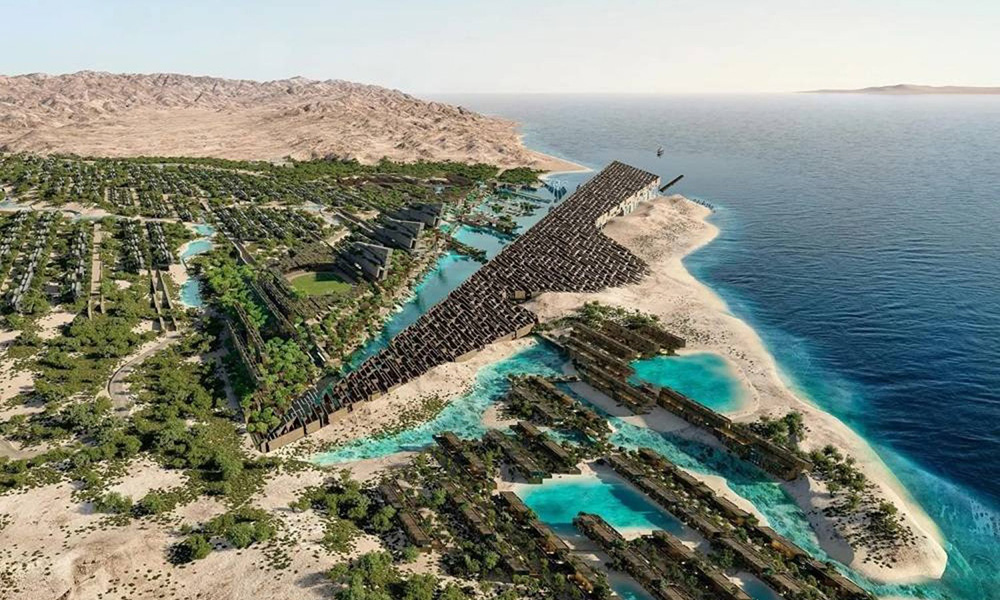
The Role of Coastal Communities in Ocean Conservation
Coastal communities, often at the forefront of oceanic change, are key players in the fight for a sustainable future. With the world’s oceans facing increasing threats from overfishing, plastic pollution, and climate change, these communities are adopting sustainable practices to ensure the health of marine ecosystems. In this article, we explore how these communities are rising to the occasion, leveraging local solutions, cutting-edge technology, and traditional knowledge to protect our oceans for future generations.
Environmental Challenges Facing Coastal Communities
Overfishing and Marine Life Depletion
Overfishing is one of the most pressing issues faced by coastal communities. Without regulation, fish populations are rapidly depleting, leading to:
- Loss of biodiversity
- Economic impact on local fishing industries
- Disruption of marine food chains
Marine Pollution: A Growing Crisis
Plastic waste and chemicals from industries pollute coastal waters, harming marine life, coral reefs, and shorelines. Key issues include:
- Plastic debris: Over 8 million tons of plastic enter the oceans annually.
- Chemical contamination: Pesticides, fertilizers, and untreated sewage significantly impact water quality.
- Toxic algal blooms: Nutrient-rich runoff fuels harmful algae that deplete oxygen levels in coastal waters.
Climate Change and Rising Sea Levels
Climate change poses an existential threat to coastal regions. Rising sea levels and extreme weather events endanger:
- Coastal infrastructure
- Coastal habitats like mangroves and wetlands
- Local economies dependent on fishing and tourism
Habitat Destruction and Coastal Development
Unchecked urbanization and coastal development are leading to the destruction of critical habitats, including coral reefs and mangrove forests. These natural buffers protect both marine life and the communities that rely on them.
Key Sustainable Practices in Coastal Communities
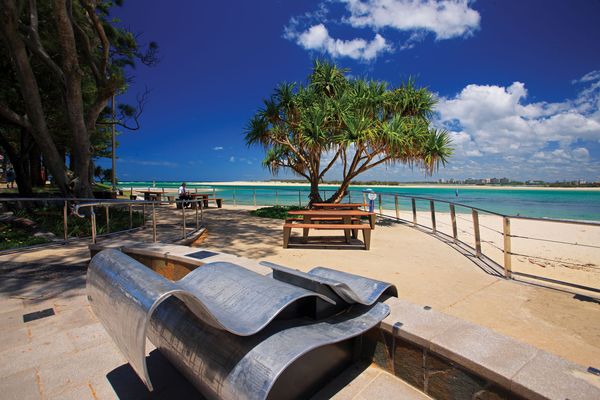
Sustainable Fishing Practices
Catch Limits and Seasonal Bans
One of the simplest yet most effective practices to combat overfishing is the enforcement of:
- Catch quotas for sustainable fish populations.
- Seasonal fishing bans to allow species to regenerate during their breeding periods.
Responsible Fishing Gear
The adoption of responsible fishing gear, such as:
- Bycatch-reducing nets
- Selective gear that minimizes ecosystem disruption
Community Fisheries Management
Local communities, often with governmental and NGO support, are adopting participatory management practices:
- Cooperatives for sustainable resource management
- Marine protected areas (MPAs) where no fishing or extractive activities are allowed.
Marine Pollution Reduction
Coastal Cleanup Campaigns
Numerous coastal communities are running regular:
- Beach cleanups
- Plastic waste collection drives
These initiatives help reduce the influx of plastic debris into the oceans.
Waste Management and Recycling Systems
Efficient waste management programs are being established:
- Zero waste policies
- Recycling and composting initiatives
Communities are investing in waste sorting systems to prevent marine debris.
Banning Single-Use Plastics
Many coastal regions have successfully banned or restricted:
- Single-use plastics
- Non-biodegradable packaging
This has significantly reduced the flow of plastic waste into the oceans.
Climate Adaptation Strategies for Coastal Communities
Resilient Infrastructure Against Rising Sea Levels
Coastal regions are building infrastructure to withstand climate impacts:
- Seawalls to prevent coastal erosion
- Flood barriers and elevated buildings
These structures help protect both communities and ecosystems from rising tides and storm surges.
Nature-Based Solutions for Climate Adaptation
Communities are increasingly restoring natural habitats:
- Mangrove reforestation to prevent erosion and enhance biodiversity
- Coral reef restoration to act as barriers against storm surges
- Seagrass planting to improve water quality and provide marine habitats
Transitioning to Renewable Energy
The shift to solar, wind, and tidal energy sources reduces dependency on fossil fuels, cutting emissions and preserving ocean health.
Conserving Marine Ecosystems and Biodiversity
Marine Protected Areas (MPAs)
MPAs are regions designated for long-term protection from human activity. They allow marine ecosystems to thrive without interference from fishing, oil drilling, or other destructive practices.
Coral Reef and Mangrove Restoration
Communities are actively working to restore damaged coral reefs and mangrove forests, which are essential for marine biodiversity:
- Artificial reefs are created to support fish populations.
- Mangrove planting helps stabilize shorelines and provides shelter for marine species.
Reducing Ocean Acidification
Reducing carbon emissions through sustainable energy solutions and enforcing emission standards can mitigate the impacts of ocean acidification, which threatens marine life, particularly shellfish and coral reefs.
Community-Led Initiatives for Ocean Conservation
Grassroots Movements for Ocean Protection
Local groups are leading grassroots campaigns to protect the oceans, raising awareness and inspiring others to adopt sustainable practices. Initiatives include:
- Environmental education programs
- Public awareness campaigns about overfishing and pollution
Empowering Women in Ocean Conservation
In many coastal communities, women are leading efforts to:
- Promote sustainable fishing practices
- Manage local conservation projects
Women play a key role in balancing tradition and sustainability.
Incorporating Traditional Ecological Knowledge (TEK)
Many coastal communities rely on Traditional Ecological Knowledge (TEK) to manage their local environments. By integrating TEK with modern science, these communities:
- Enhance biodiversity
- Promote sustainable resource use
Sustainable Coastal Tourism Practices
Eco-Tourism and Responsible Travel
Coastal communities are transforming tourism by promoting eco-tourism, where the focus is on:
- Minimizing environmental footprints
- Supporting local, sustainable businesses
Certifications for Sustainable Destinations
Regions that are recognized for their eco-friendly practices receive certifications that guide tourists toward environmentally responsible options. These include:
- Green hotels
- Eco-friendly tour operators
Managing Visitor Impact
To preserve fragile ecosystems, tourism management practices include:
- Regulating visitor numbers
- Guided tours that emphasize conservation education
The Role of Technology in Ocean Conservation
Satellite Monitoring and AI for Ocean Health
Modern technologies, such as satellite imaging and artificial intelligence (AI), are being used to monitor:
- Marine pollution levels
- Coral reef health
- Overfishing trends
These technologies provide data for better decision-making and rapid response to environmental threats.
Blockchain for Sustainable Seafood
Blockchain technology helps trace the journey of seafood from catch to plate, ensuring it has been sourced responsibly. This technology is gaining traction in ensuring:
- Transparency in seafood supply chains
- Sustainable sourcing practices
Innovations in Eco-friendly Materials
New materials, such as biodegradable plastics and eco-friendly building products, are being developed to reduce the ecological footprint of coastal communities.
Economic and Social Benefits of Sustainable Practices
Boosting Local Economies
Adopting sustainable practices ensures long-term economic stability, benefiting industries such as:
- Fishing
- Tourism
- Agriculture
Sustainability also creates new job opportunities in green technologies, eco-tourism, and conservation efforts.
Funding for Conservation Projects
Many governments and organizations provide grants and funding to support local communities in implementing sustainability projects. These funds are essential for:
- Restoring ecosystems
- Building sustainable infrastructure
Challenges and Solutions in Implementing Sustainable Practices
Financial Constraints
Many communities face budgetary constraints that make it difficult to implement large-scale sustainable projects. Possible solutions include:
- Crowdfunding and community-based fundraising
- International partnerships and grants
Balancing Development with Sustainability
Achieving a balance between economic growth and environmental preservation is challenging. Governments must:
- Enforce strict environmental regulations
- Offer incentives for sustainable development
Overcoming Cultural Resistance
In some areas, traditional practices may conflict with modern conservation efforts. To address this, collaborative dialogues and education programs can help communities embrace new practices.
Success Stories: Coastal Communities Leading the Way
Palau’s Ocean Protection Laws
Palau has implemented strict marine conservation laws, including a ban on commercial fishing and the establishment of marine sanctuaries.
Indonesia’s Coral Reef Restoration Efforts
Indonesia has launched several successful coral restoration projects, including the creation of artificial reefs to provide new habitats for marine species.
Hawaii’s Plastic-Free Campaign
Hawaii has pioneered plastic-free initiatives, significantly reducing plastic pollution along its coastlines and inspiring other regions to follow suit.
Conclusion: Building a Sustainable Future for Our Oceans
Sustainable practices in coastal communities are essential for the health of our oceans and the survival of marine ecosystems. By implementing responsible fishing methods, reducing pollution, and embracing climate adaptation strategies, these communities are paving the way for a healthier, more sustainable future. It’s crucial that we continue to support these efforts, ensuring that future generations can enjoy the beauty and abundance of our oceans.
