


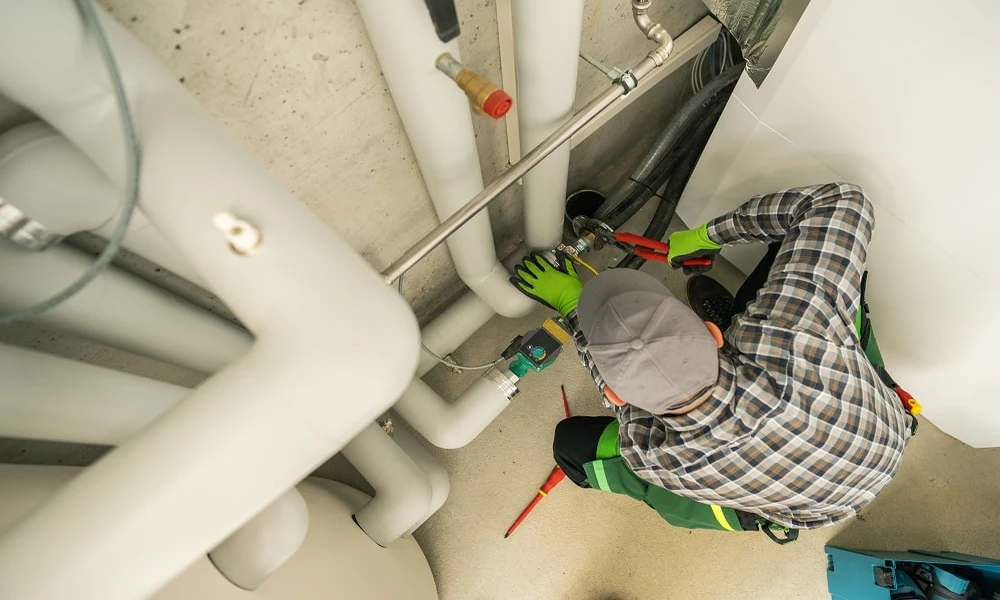
A leaky faucet in a kitchen at home is an annoyance. The same leak behind the dish station of a busy restaurant on a Friday night is a lost shift, a health inspection risk and a possible flood in the stockroom. That gap is what makes Baton Rouge commercial plumbing its own discipline, even though the pipes, fittings and water heaters look familiar to anyone who has owned a house.
Plenty of small business owners in south Louisiana start out assuming a building is just a bigger house. It isn’t. The water moves differently, the rules are stricter, and the cost of getting it wrong shows up on the balance sheet instead of just the water bill. Here is where the two worlds part ways, and the surprising places where they still overlap.
Volume Changes Everything
A family of four might run a few hundred gallons a day through their plumbing. A dental office, salon or café can easily push several times that, spread across more fixtures and more hands. Every component wears faster under that load.
Flush valves on commercial toilets cycle dozens of times a day. Faucet cartridges in public restrooms get turned hard and left half open. Drain lines carry not just more water but more of everything else, from paper towels to food scraps to hair. A home drain might need attention every few years. A busy commercial line may need a scheduled cleaning every few months just to stay ahead of buildup.
The Water Has to Stay Clean Going Backward Too
This is the single biggest difference most owners never think about. When a building connects equipment like soda fountains, dental chairs, commercial dishwashers, irrigation systems or boilers to the public water supply, there is a real risk that contaminated water could siphon back into the city lines if pressure drops.
That is why most businesses are required to install backflow prevention assemblies, and why those devices must be tested on a regular schedule by a certified tester. In Louisiana, that certification is a specific endorsement, not something any plumber can sign off on. The EPA’s Cross Connection Control Manual lays out why these assemblies matter and how different hazard levels call for different devices, from simple check valves to reduced pressure zone assemblies.
Homes rarely deal with any of this beyond a hose bib vacuum breaker. For a business, a lapsed test can mean a notice from the water provider and, in some cases, interrupted service.
Grease Becomes a Regulated Substance
At home, pouring bacon fat down the sink is a bad habit. In a restaurant, it is a code violation waiting to happen. Commercial kitchens typically need a grease interceptor sized to their flow, and local sewer authorities expect those interceptors to be pumped and documented on a regular cycle.
Neglected grease traps cause some of the worst commercial backups around. The fat cools, hardens along the pipe walls and eventually seals the line shut. Hydro jetting is usually the cure once it reaches that point, but routine pumping is far cheaper than an emergency call during dinner service.
Hot Water Plays by Different Rules
A residential water heater is usually set around 120°F for comfort and safety. Commercial needs are more demanding. Dishwashing that relies on hot water sanitizing requires much higher rinse temperatures, often handled by a booster heater. Salons, gyms and laundromats need large volumes of hot water at once, which pushes many owners toward high capacity tanks, multiple units or banks of tankless heaters.
Sizing gets serious here. An undersized heater in a home means a lukewarm last shower. In a business, it can mean failing a health inspection or turning customers away.
Downtime Costs More Than the Repair
When a homeowner needs a repipe, the family puts up with a few inconvenient days. A business often can’t close at all. That changes how commercial work gets planned. Shutoffs get scheduled before opening or after closing, repairs are staged so restrooms stay usable, and plumbers have to work around tenants, customers and equipment.
This is also why preventive maintenance makes far more financial sense for a business. A camera inspection or a scheduled drain cleaning is small change compared with a closed storefront.
The Ground Beneath Baton Rouge Adds Its Own Pressure
Many commercial buildings across the capital region sit on concrete slabs over clay soils that swell when wet and shrink during dry spells. That constant movement stresses supply and drain lines buried under the floor. Slab leaks in a business can go unnoticed for a long time because nobody is home at night to hear water running, and the first clue may be a warm spot on the tile, buckled flooring or a meter that keeps spinning after hours.
Heavy rain and a high water table add more strain. Older lines can let groundwater infiltrate, and storm surges in the sewer system can push water back toward low lying drains. Rerouting lines overhead or through walls instead of under the slab is often a smarter long term fix than breaking concrete again and again.
Each Type of Business Has Its Own Weak Spot
Commercial plumbing isn’t one category. The most common trouble points depend heavily on what happens inside the building.
- Restaurants and cafés tend to fight grease, booster heaters and floor drains that dry out and release sewer smells.
- Medical and dental offices rely on reliable backflow protection and plenty of handwashing sinks with steady hot water.
- Salons and barbershops send hair and chemical residue down shampoo bowl drains every day.
- Retail strips and shared tenant buildings often struggle with one main line serving several businesses with very different habits.
- Warehouses and shops usually need attention to restroom fixtures, eyewash stations and outdoor lines exposed to the weather.
What Still Carries Over From Home
For all the differences, a few homeowner instincts translate perfectly. Leaks are always cheaper caught early. A water bill that jumps without explanation is always worth chasing. Strange smells, gurgling drains and slow fixtures are warning signs in any building.
The best habit any owner can borrow is simply paying attention. Walk the restrooms and kitchen once a week. Check under sinks. Look at the meter at closing time when nothing should be running. Keep a simple log of service visits, backflow test dates and trap pumping. That record becomes invaluable when an inspector shows up or when a plumber needs to understand what has been happening inside the walls.
A business building will never be just a big house. Treating its plumbing with that difference in mind keeps the doors open, the inspectors satisfied and the surprises small.
