


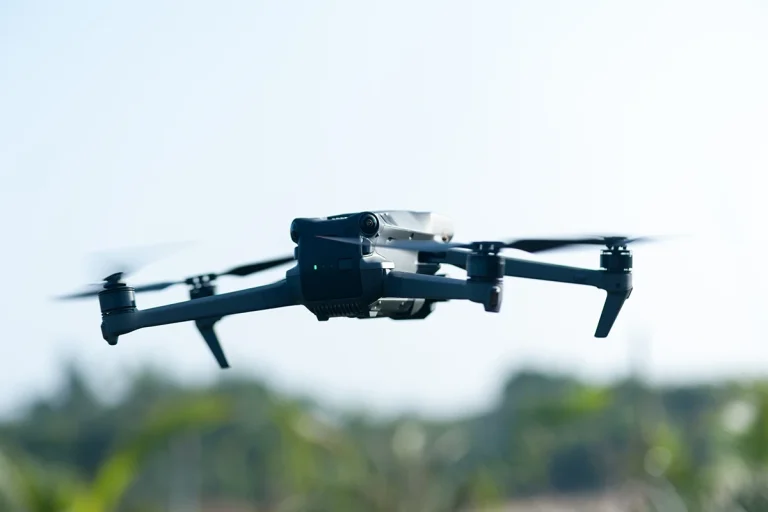
Modern drone technology continues to evolve rapidly, driven by demands for improved performance, durability, and efficiency. One of the most influential factors behind this progress is material innovation. Composites for drones have become a foundational element in unmanned aerial system (UAS) design, offering a balance of strength, weight reduction, and adaptability that traditional materials struggle to achieve.
In the early stages of drone development, many manufacturers explore composites for drones to meet strict performance requirements without compromising structural integrity. These advanced materials support both commercial and industrial drone applications where reliability and efficiency are critical.
Why Material Selection Matters in Drone Design
Drone performance depends heavily on weight, strength, and aerodynamic efficiency. Heavier materials reduce flight time and maneuverability, while weaker materials increase the risk of failure under stress. Composite materials address both challenges by combining multiple material properties into a single, optimized structure.
By integrating fibers such as carbon or glass with engineered resins, composites deliver high strength-to-weight ratios that support longer flight durations and improved payload capacity.
Key Benefits of Composite Materials in UAS Applications
Composite materials offer several advantages that make them well-suited for drone construction:
- Reduced overall weight, supporting extended flight time
- High resistance to fatigue and vibration
- Improved structural strength without added bulk
- Enhanced resistance to environmental stressors
These characteristics are particularly important for drones operating in demanding environments, including industrial inspection, agriculture, defense, and surveying.
Supporting Structural Precision and Design Flexibility
Another advantage of composites is design flexibility. Complex shapes and aerodynamic structures can be produced without sacrificing strength. This allows engineers to optimize airflow, reduce drag, and integrate components more efficiently.
In another engineering context, composites for drones enable modular designs that can be adapted for different payloads or mission profiles. This flexibility supports faster innovation cycles and more specialized drone platforms.
Durability in Challenging Environments
Drones are often exposed to harsh conditions, including temperature fluctuations, moisture, and mechanical stress during takeoff and landing. Composite materials offer excellent resistance to corrosion and environmental degradation compared to metals.
This durability contributes to longer service life and reduced maintenance requirements, which is especially valuable for commercial fleets and mission-critical operations.
Manufacturing Efficiency and Scalability
Advancements in composite manufacturing processes have improved consistency and scalability. Precision bonding, controlled curing, and advanced fabrication techniques allow manufacturers to maintain quality while scaling production.
MakoBond supports drone manufacturers by providing composite bonding and material solutions designed to meet the structural demands of modern UAS platforms. These solutions help ensure consistent performance while supporting evolving design requirements.
Enabling the Next Generation of Drone Technology
As drone applications expand into areas such as logistics, infrastructure monitoring, and emergency response, material performance becomes even more important. Lightweight yet durable structures allow drones to operate longer, carry advanced sensors, and maintain stability in complex conditions.
Composite materials play a central role in enabling these capabilities by supporting innovation without adding unnecessary weight or complexity.
Conclusion
Composites for drones are transforming how unmanned aerial systems are designed, built, and deployed. By offering a powerful combination of strength, lightweight performance, and durability, composite materials support longer flight times, improved reliability, and greater design flexibility. As drone technology continues to advance, composites will remain a key driver of performance and innovation across a wide range of applications.
