
 Clare Louise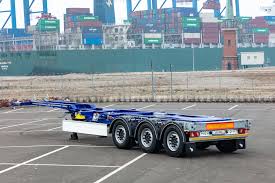
Choosing the appropriate shipping container chassis size is a critical decision that directly impacts operational efficiency, cost, and cargo security within the supply chain. The right chassis not only facilitates smoother transportation but also contributes to minimizing delays, optimizing fuel usage, and reducing wear and tear on both equipment and infrastructure.
With multiple chassis options available in the market, it is essential for businesses to thoroughly evaluate a range of key factors to ensure the selected chassis aligns with their specific operational needs and long-term strategies. The following considerations provide a framework for logistics teams as they work to identify the most suitable chassis size for their operations.
Container Dimension and Cargo Requirements
The size of the shipping container is the primary factor in determining the appropriate chassis length and axle configuration. Standard containers are typically available in lengths of 20, 40, or 45 feet, and each requires a chassis designed to safely and efficiently transport it. For oversized or heavy loads, logistics teams may need to utilize extendable, tri-axle or gooseneck chassis that are designed for improved weight distribution, increased stability, and greater capacity.
Furthermore, considering the maximum payload and dimensions of the cargo helps prevent overloading and ensures compliance with transportation regulations.
Operational Environment and Route Condition
Road conditions play a big role in choosing chassis size. Shorter chassis are easier to handle in cities and crowded terminals, while longer ones work better for long trips on highways.
Port facilities and yard layouts are important considerations that influence chassis size selection. Some terminals and intermodal yards have space constraints or unique layouts that may require compact chassis for easier navigation. Assessing the turning radius, docking requirements, and accessibility of loading and unloading areas helps minimize handling and shipping challenges, improving overall operational flow. Additionally, understanding local traffic patterns and congestion at key transfer points can inform the choice of chassis size, ensuring smoother container movements through every stage of the supply chain.
Future Scalability and Fleet Strategy
When planning shipping needs, consider both current and future container requirements, along with changing customer demands. Choosing flexible chassis sizes helps companies handle changing demand and new opportunities without having to replace equipment often. Modular or extendable chassis can fit more container sizes and weights, helping logistics teams get the most out of their assets. Keeping up with industry trends and new rules also helps businesses protect their investments and stay competitive.
Conclusion
Choosing the right container chassis helps keep logistics reliable, control costs over time, and meet safety and legal standards. By looking at all the important factors, like container size, cargo needs, work environment, port limits, and future growth, businesses can create a strong and flexible logistics system. In the end, smart choices about chassis size improve daily operations and support long-term growth and customer satisfaction in a competitive industry.
