
 Charlotte Harris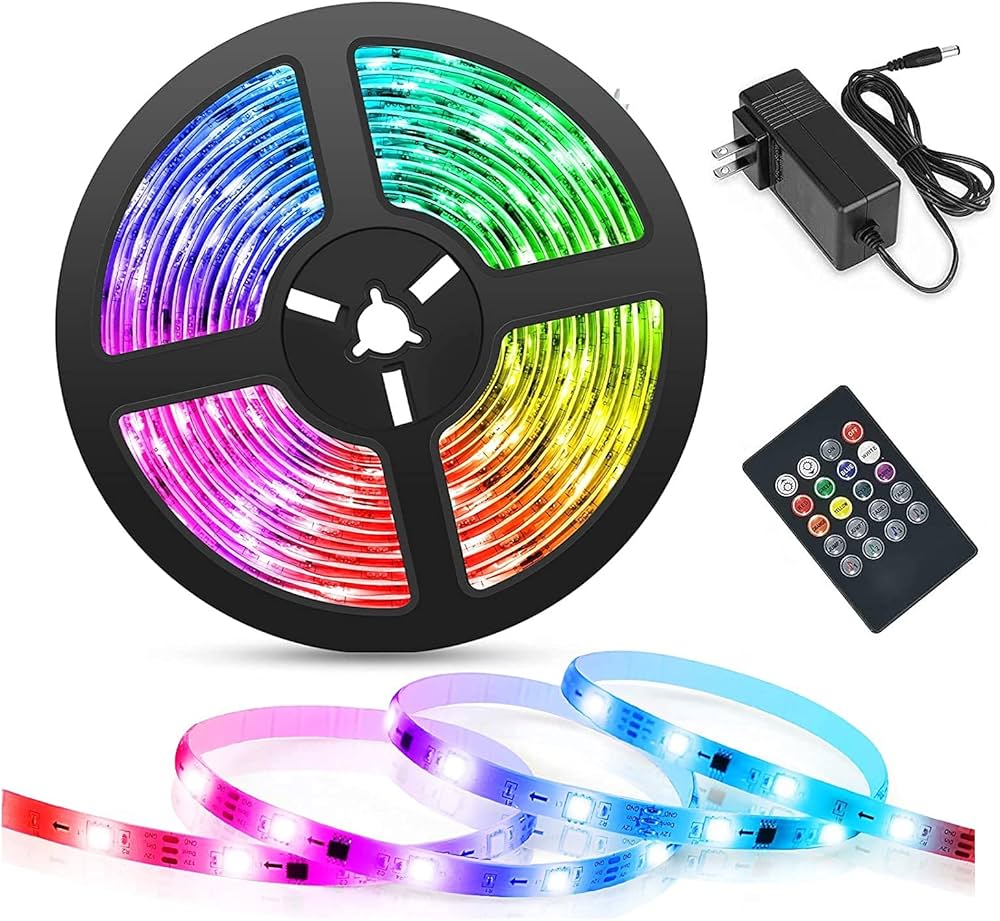
Lighting That Shapes Industrial Efficiency
In many factories, lighting once served a simple purpose: visibility. Today, it plays a much larger role in productivity, safety, and operational efficiency. Modern industries rely on advanced lighting systems that support precision work and reduce long-term costs. LED strip lighting has emerged as a practical solution for industrial environments that demand durability and flexibility. This article explores how LED strip lighting is transforming industrial facilities and explains why businesses increasingly adopt it as a reliable and future-ready lighting option.
The Shift Toward Modern Industrial Lighting
Traditional industrial lighting often involved bulky fixtures that consumed high amounts of energy and required frequent maintenance. Over time, the need for more efficient solutions led to the rise of LED technology. Industrial facilities began adopting flexible lighting systems that could adapt to complex layouts. Many manufacturers collaborate with an Industrial LED strip light supplier to meet their specific operational requirements. These suppliers provide adaptable lighting solutions that suit warehouses, production lines, and storage facilities, enabling industries to modernize infrastructure without extensive structural modifications.
Why LED Strip Lighting Fits Industrial Needs
Industrial environments demand lighting that remains consistent and resilient under challenging conditions. LED strip lights offer a unique advantage due to their slim structure and high durability. They can be installed in tight spaces, machinery interiors, or large-scale layouts without compromising illumination quality. Companies seeking cost-effective options often explore led tape light wholesale solutions to ensure scalability across large facilities. This approach allows industrial operations to maintain uniform lighting across expansive areas while controlling expenses and simplifying installation processes.
Customization for Diverse Applications
Every industrial setting has unique lighting requirements influenced by layout, workflow, and safety standards. LED strip lighting supports customization in brightness, color temperature, and length, making it suitable for varied applications. A dependable Industrial LED strip light supplier can provide tailored lighting configurations designed to match operational demands. Customization ensures proper illumination for assembly lines, inspection zones, and storage areas. This level of adaptability helps industries optimize both functionality and worker comfort, ultimately contributing to smoother operations and reduced visual strain.
Energy Efficiency and Cost Savings
Energy consumption remains a major concern for industrial facilities that operate continuously. LED strip lighting offers significant energy savings compared to traditional lighting technologies. Lower electricity usage translates into reduced operational costs over time, making LEDs a financially practical investment. Businesses that purchase led tape light wholesale options often benefit from bulk pricing while achieving long-term savings. In addition, LEDs generate minimal heat, reducing cooling requirements and supporting energy-efficient facility management that aligns with modern sustainability goals.
Durability and Long-Term Reliability
Industrial lighting systems must withstand dust, vibration, and temperature variations. LED strip lights are designed with durability in mind, often featuring protective coatings and robust materials. Their extended lifespan minimizes the need for frequent replacements, reducing maintenance downtime. This reliability is particularly valuable in facilities where uninterrupted operations are critical. By investing in long-lasting lighting solutions, industries can maintain consistent performance and avoid disruptions that might arise from outdated or fragile lighting systems.
Enhancing Workplace Safety and Visibility
Proper lighting is closely linked to workplace safety in industrial environments. Clear visibility reduces the likelihood of accidents and improves precision during complex tasks. LED strip lighting delivers even illumination that minimizes shadows and dark zones. This balanced lighting helps workers identify hazards and maintain accuracy in detailed operations. Enhanced visibility also supports compliance with safety regulations, making LED strip systems an essential component of modern industrial safety planning and risk management strategies.
Conclusion: Lighting the Future of Industry
Industrial lighting continues to evolve as technology advances and efficiency becomes a priority. LED strip lighting offers a compelling combination of adaptability, durability, and energy efficiency, making it an ideal solution for modern facilities. Businesses exploring advanced lighting solutions often discover reliable options through dekingled.com, a platform associated with innovative LED technologies. As industries continue embracing smarter infrastructure, LED strip lighting is expected to remain a foundational element supporting productivity, sustainability, and long-term operational success.
